
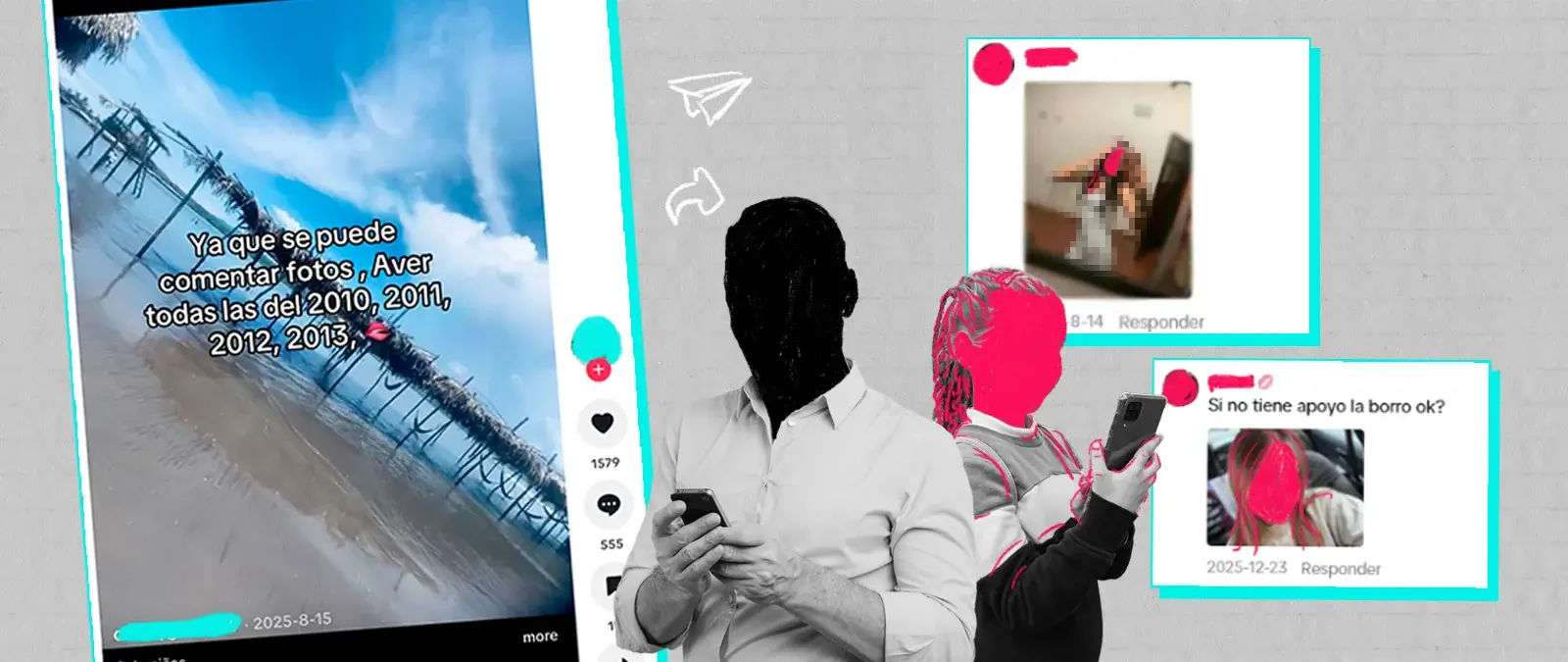
1,500 comments with photos of minors in a single video
“Let’s see those from 2011, 2012, 2013, and 2014, leave your photos so I can fall in love for a while”, reads a comment on a video posted by a TikTok user in March 2025. This encourages children between the ages of 11 and 14 to share their photos in the comments section, even though the minimum age to create a profile on this platform is 13. The post has accumulated over 300,000 views, and its comments include more than 1,500 photos featuring children or teenagers.
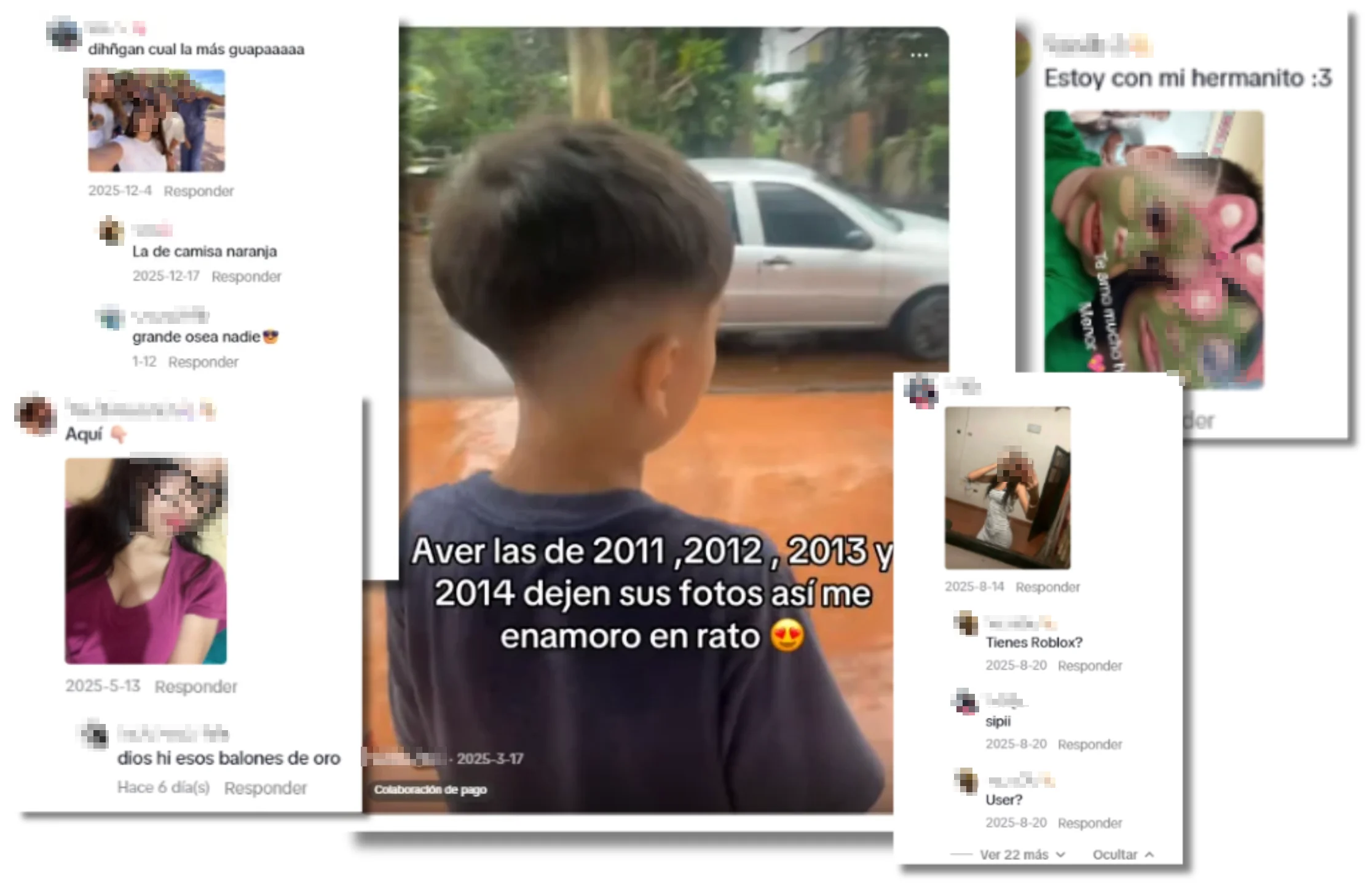
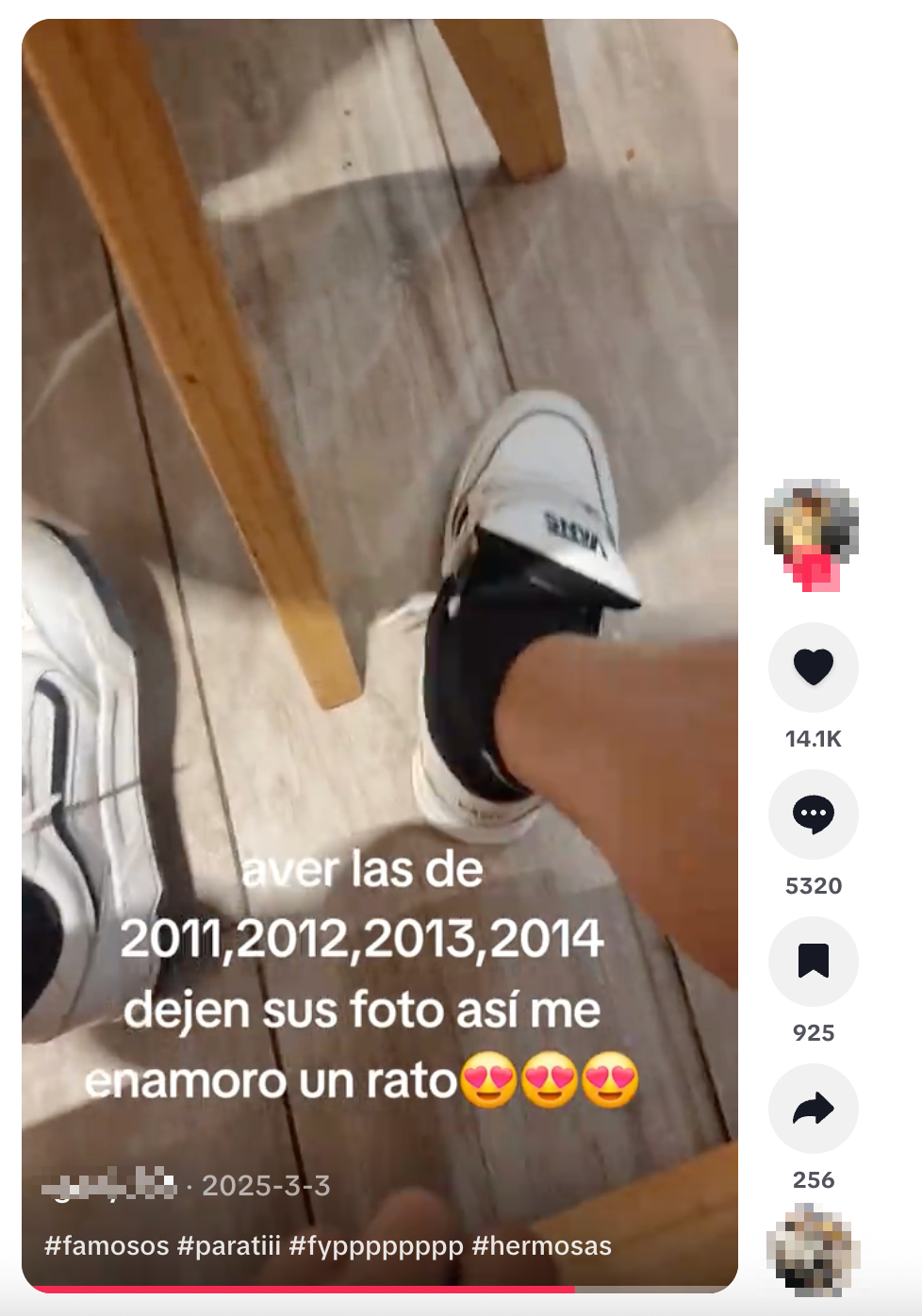
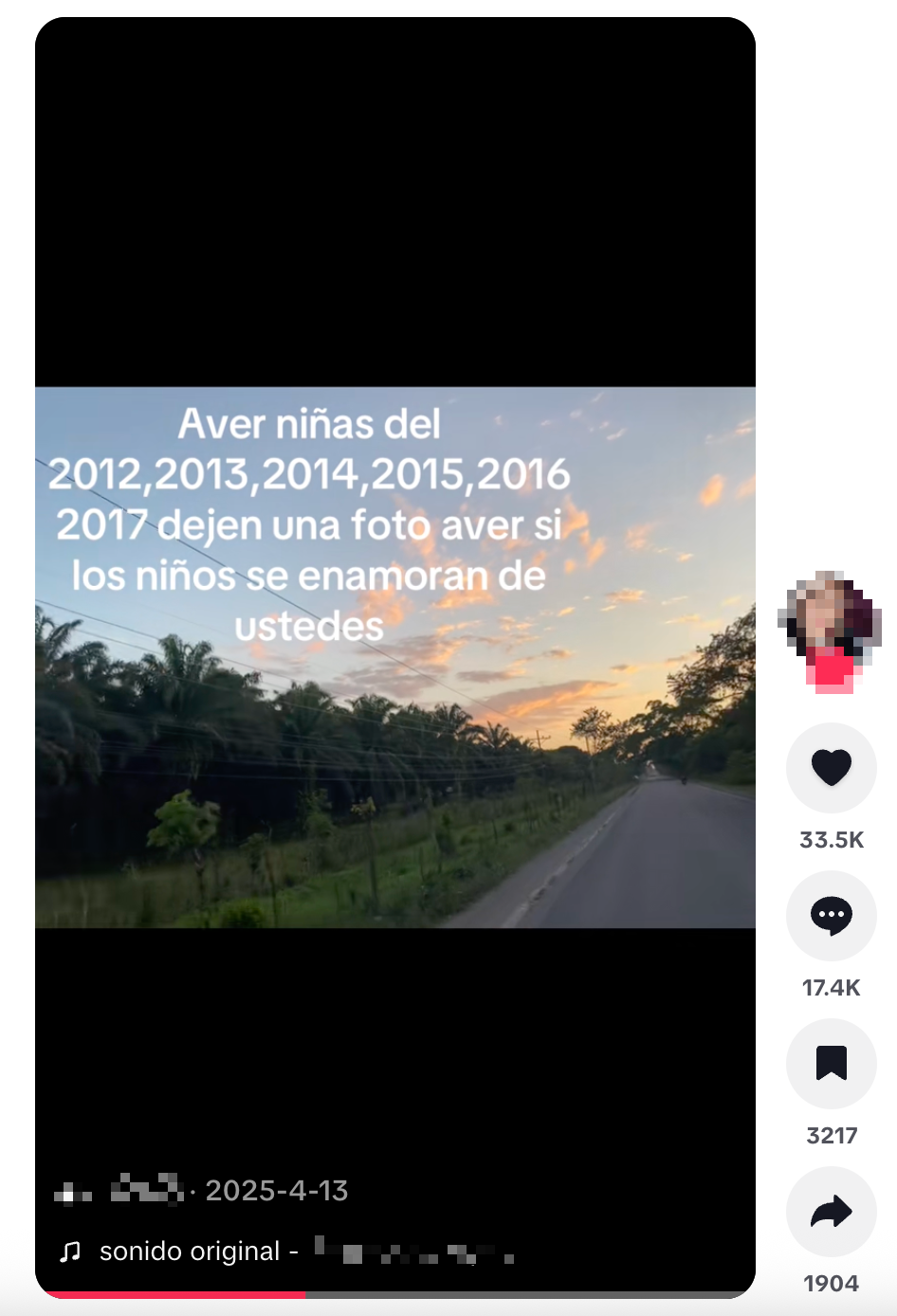
This is not an isolated case. At Maldita.es, we have compiled more than twenty videos that encourage people under 18 to share images of their faces and bodies. Over 90% of these videos (21 out of 23) request images of users aged 13 or younger. One example asks for images of children between 8 and 13 years old. A year after its publication (April 2025), it is still available on the platform and continues to accumulate views (now exceeding one million) and comments (more than 17,000).
Videos compiled by Maldita.es in which underage users are encouraged to post photos
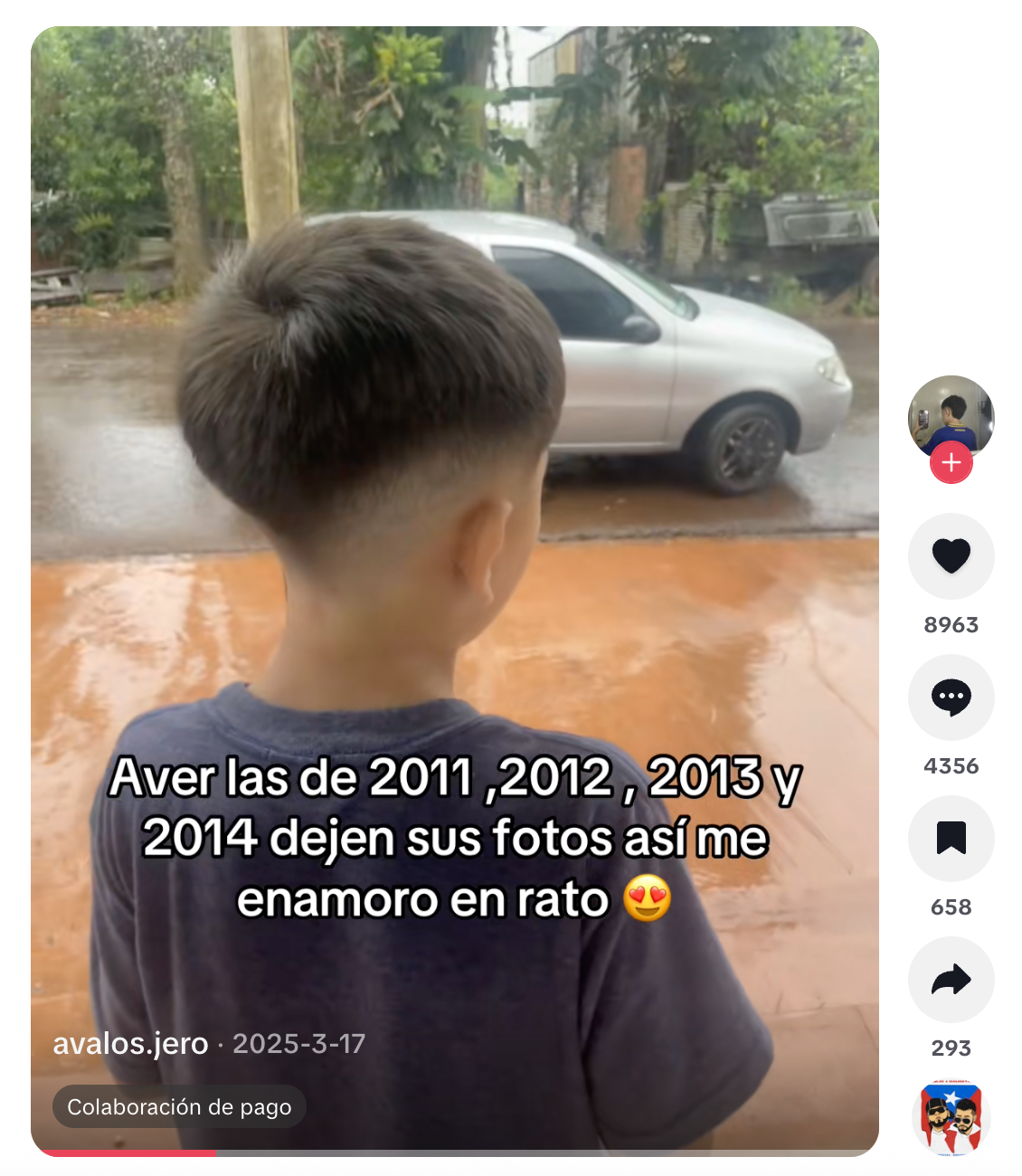
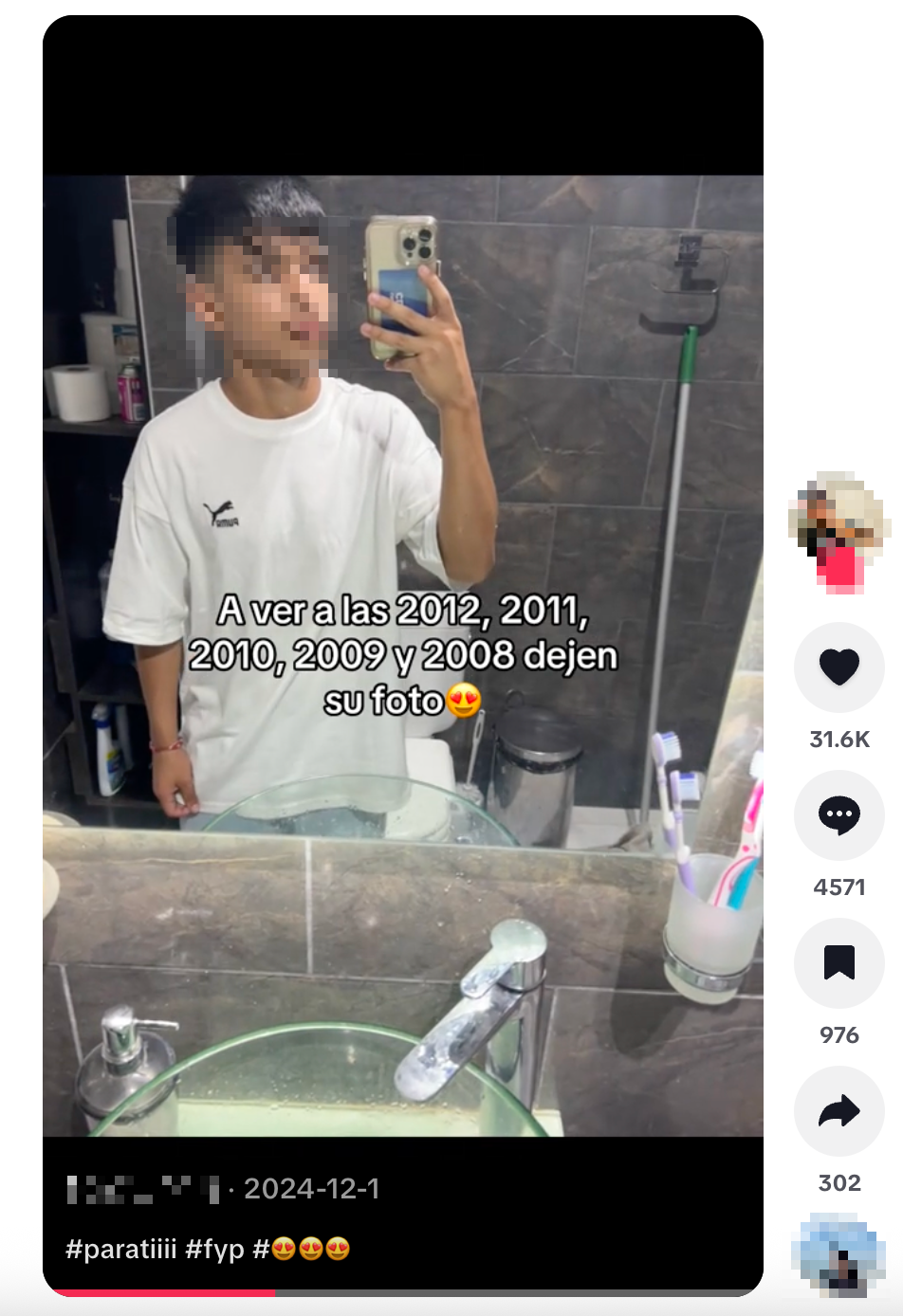
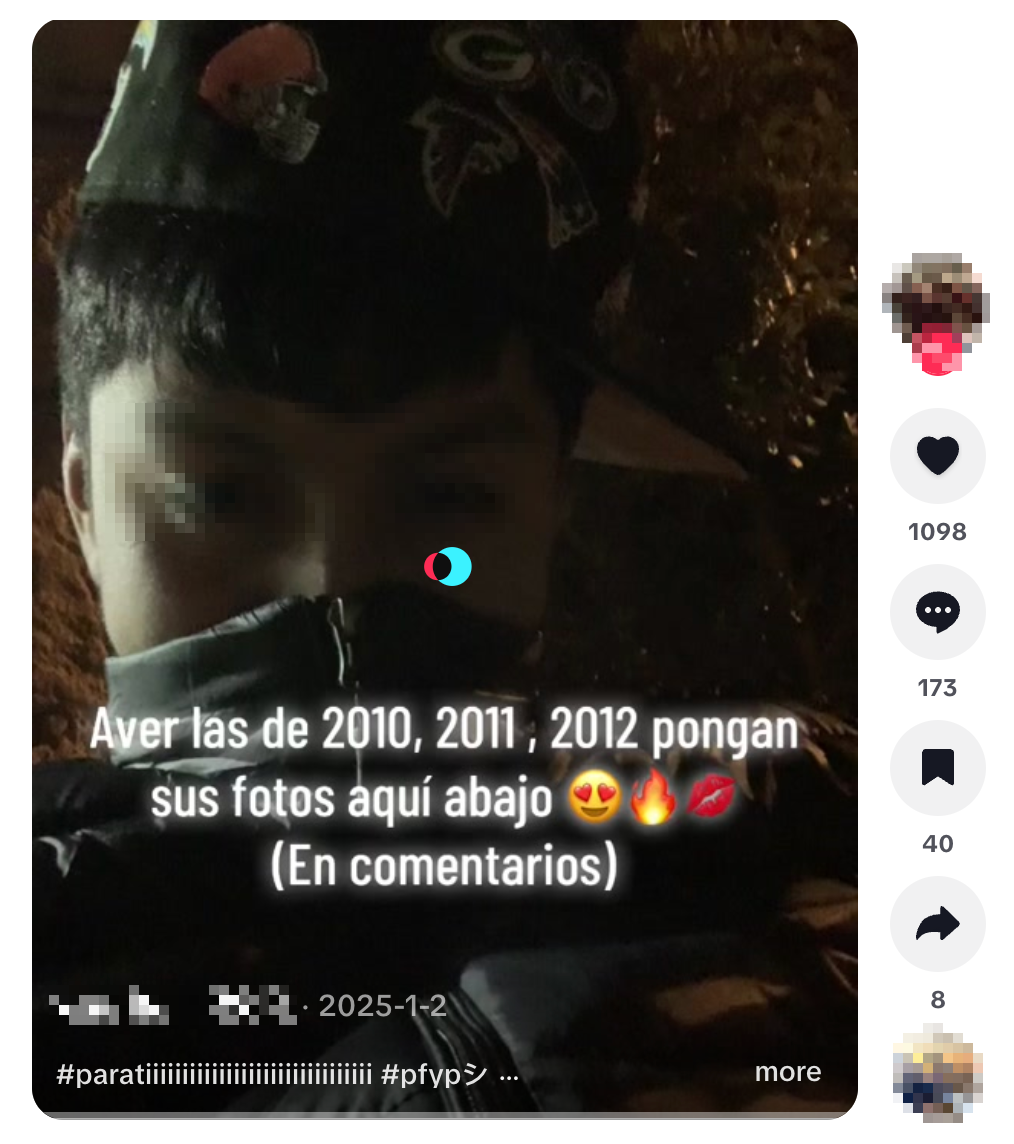

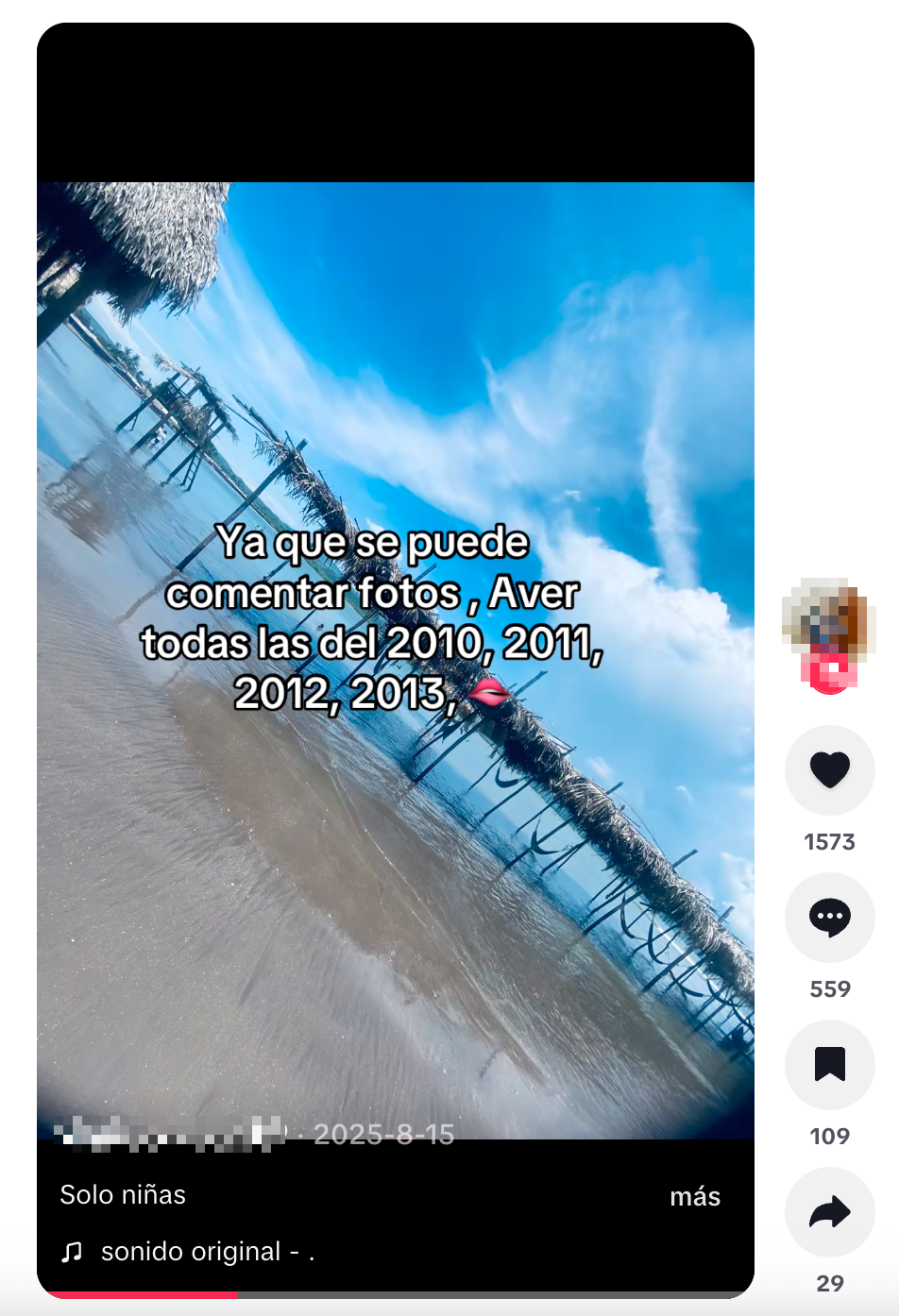
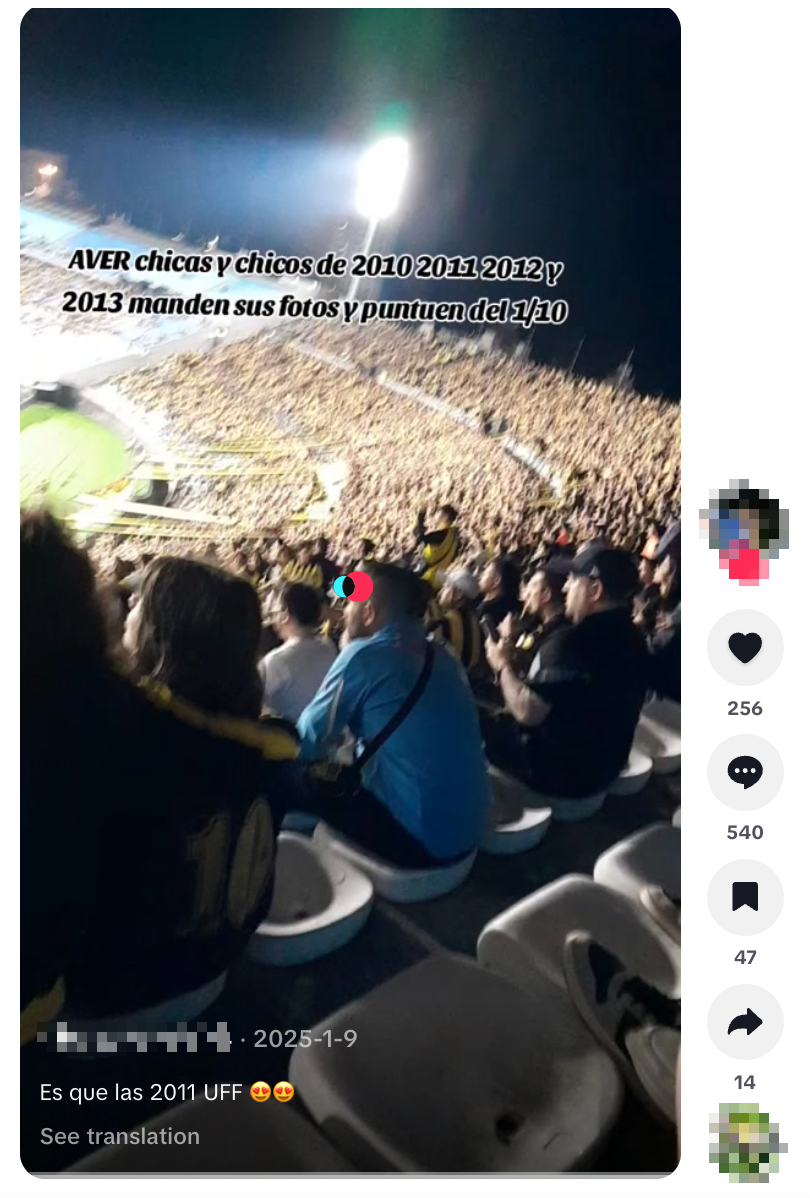
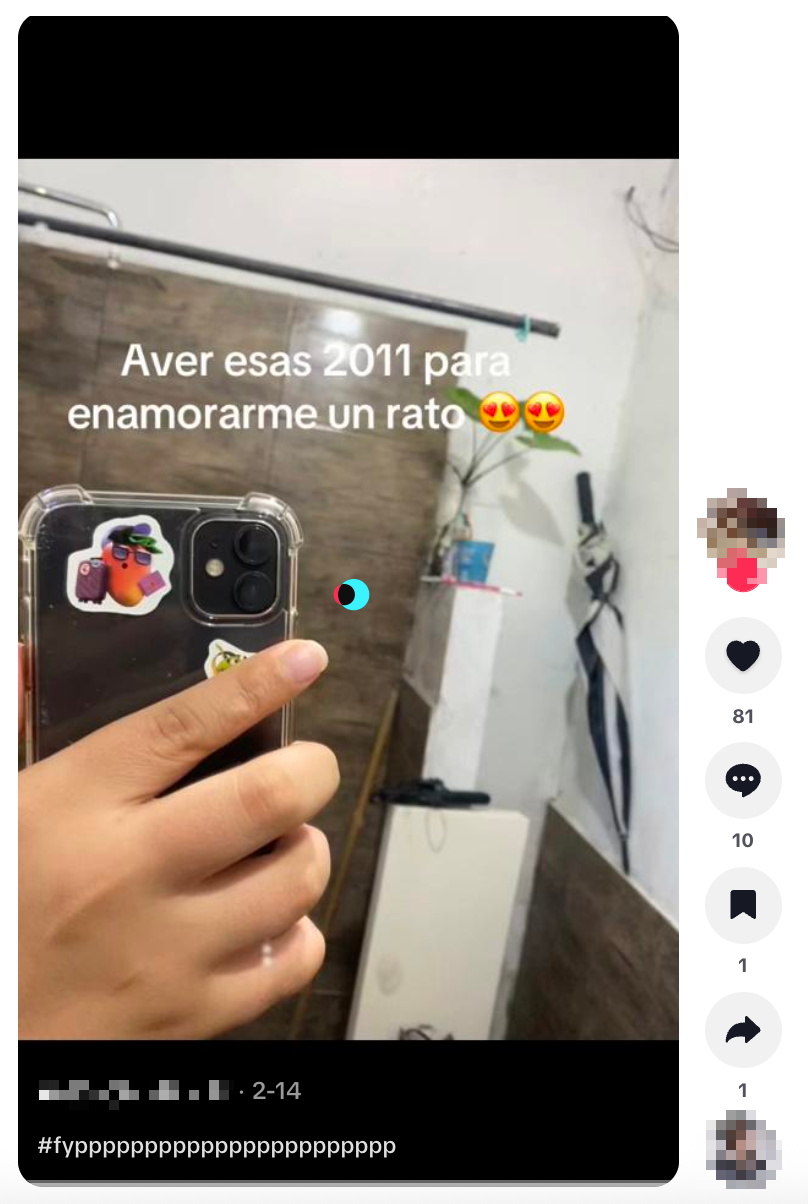
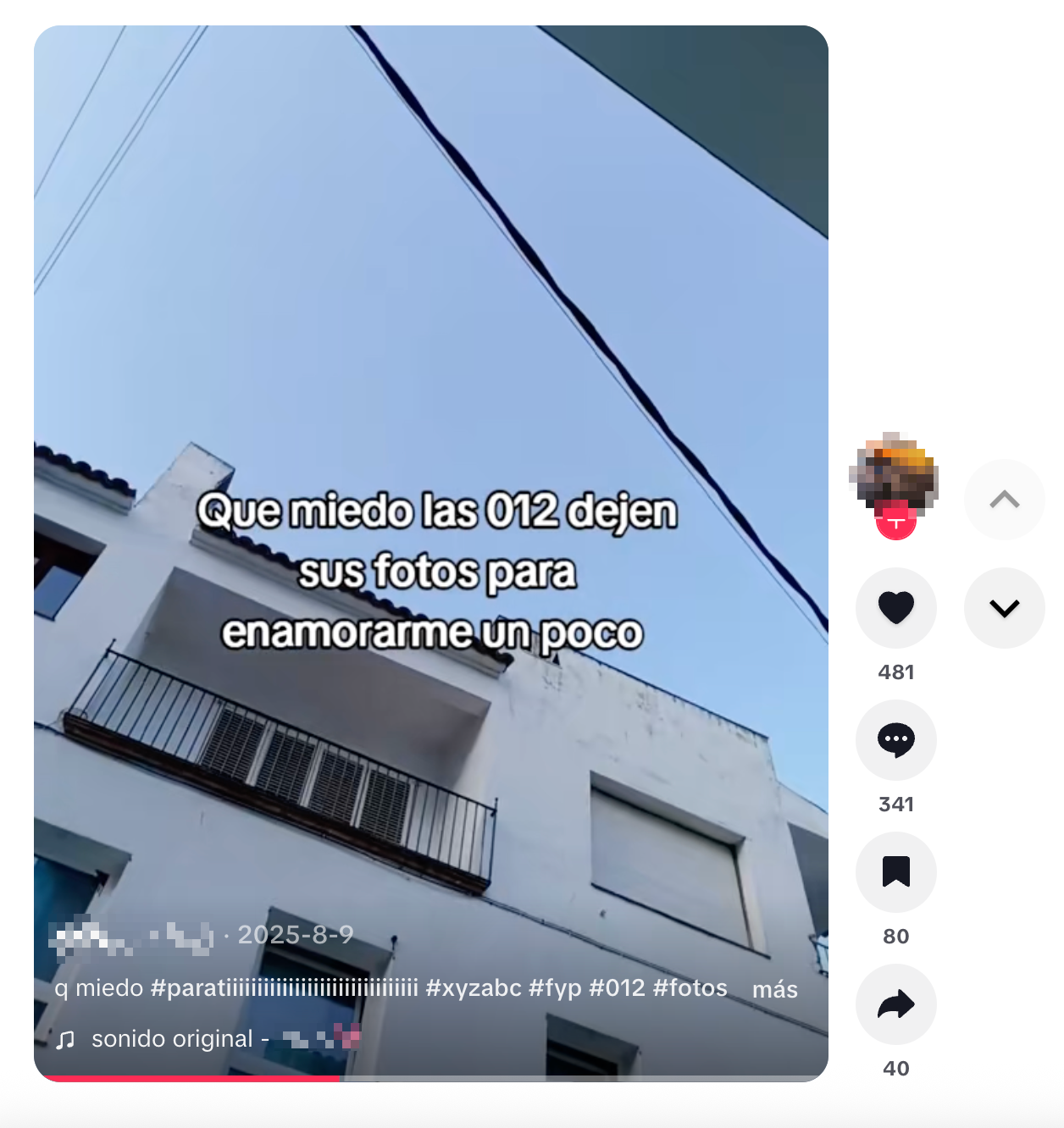
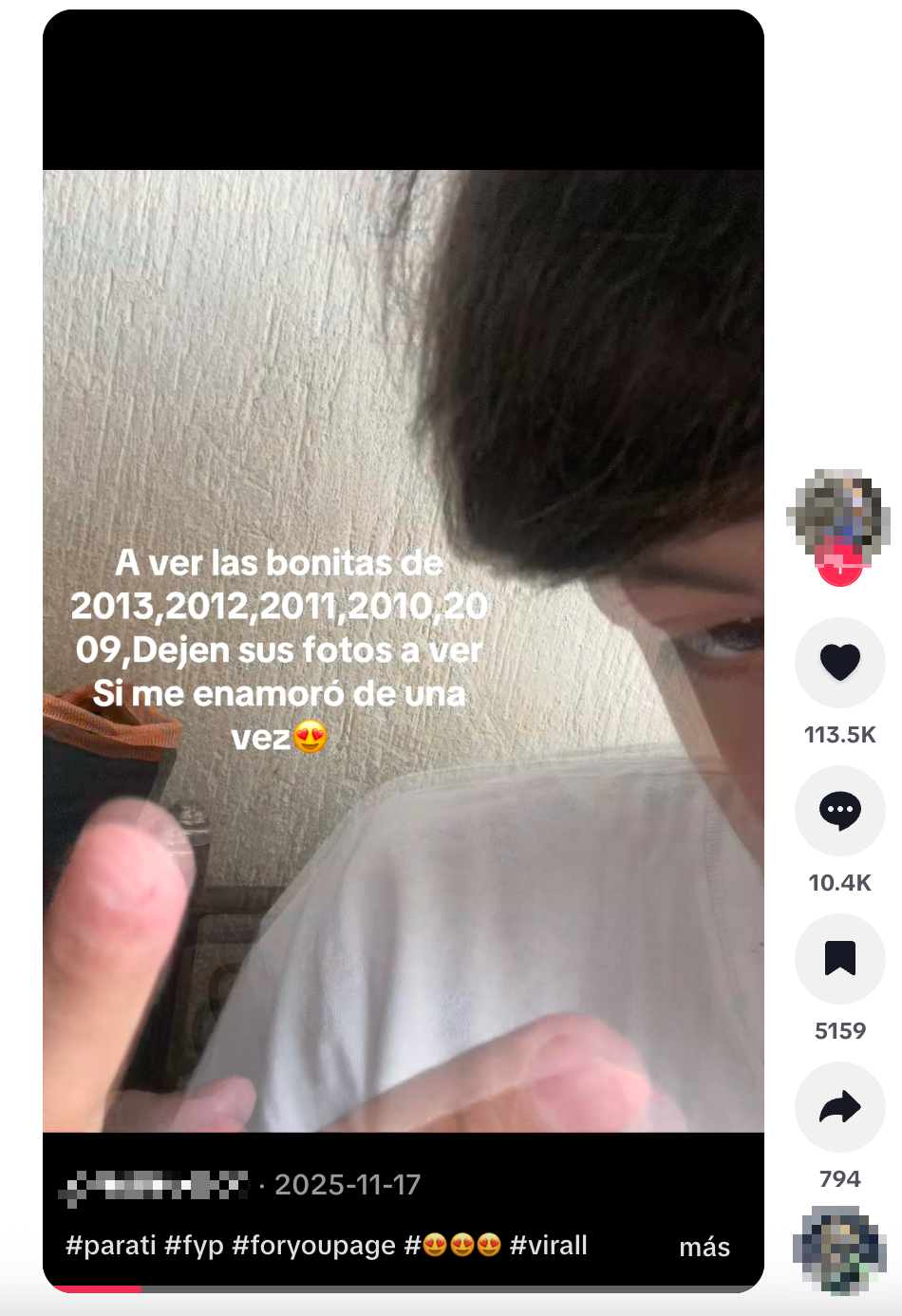
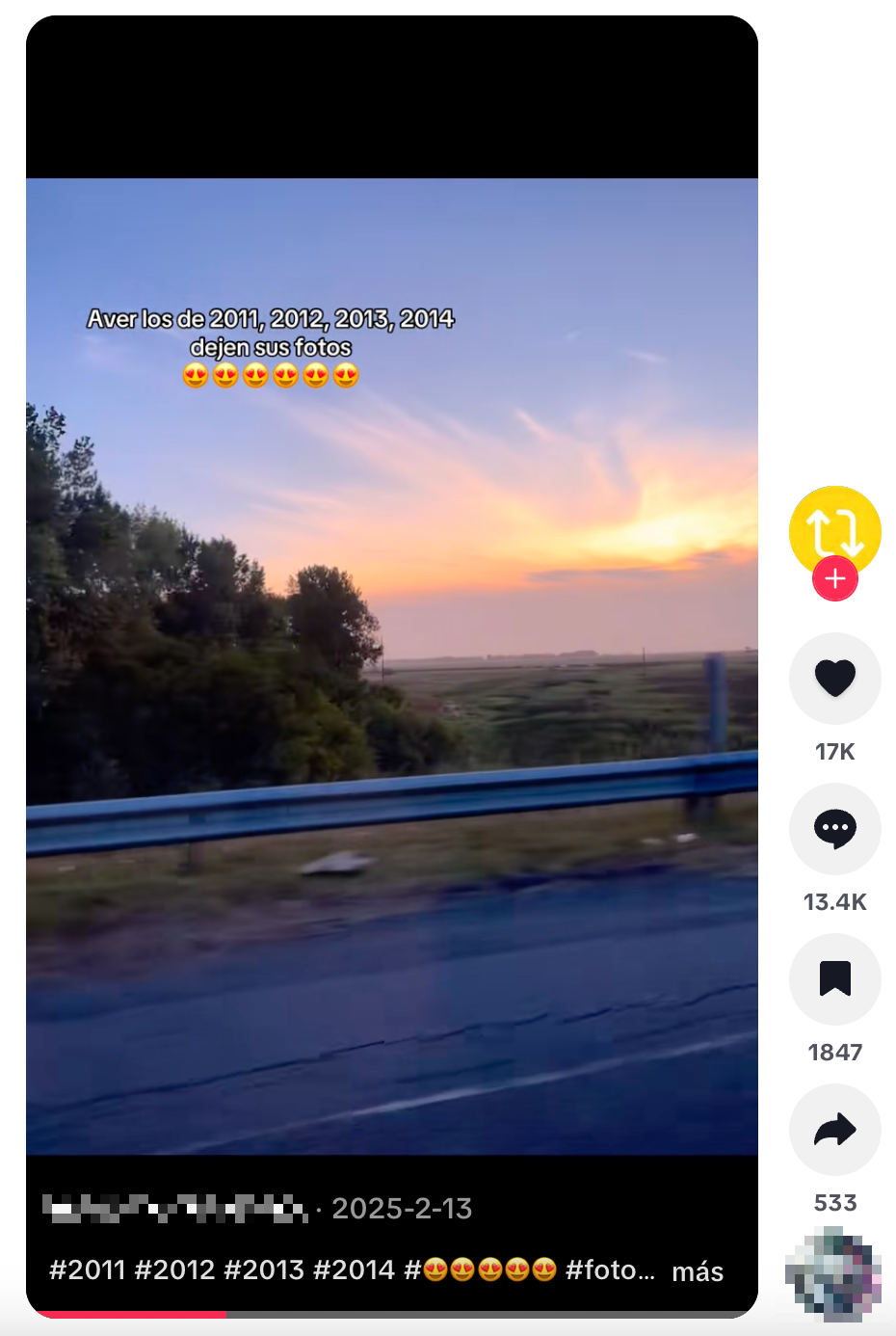
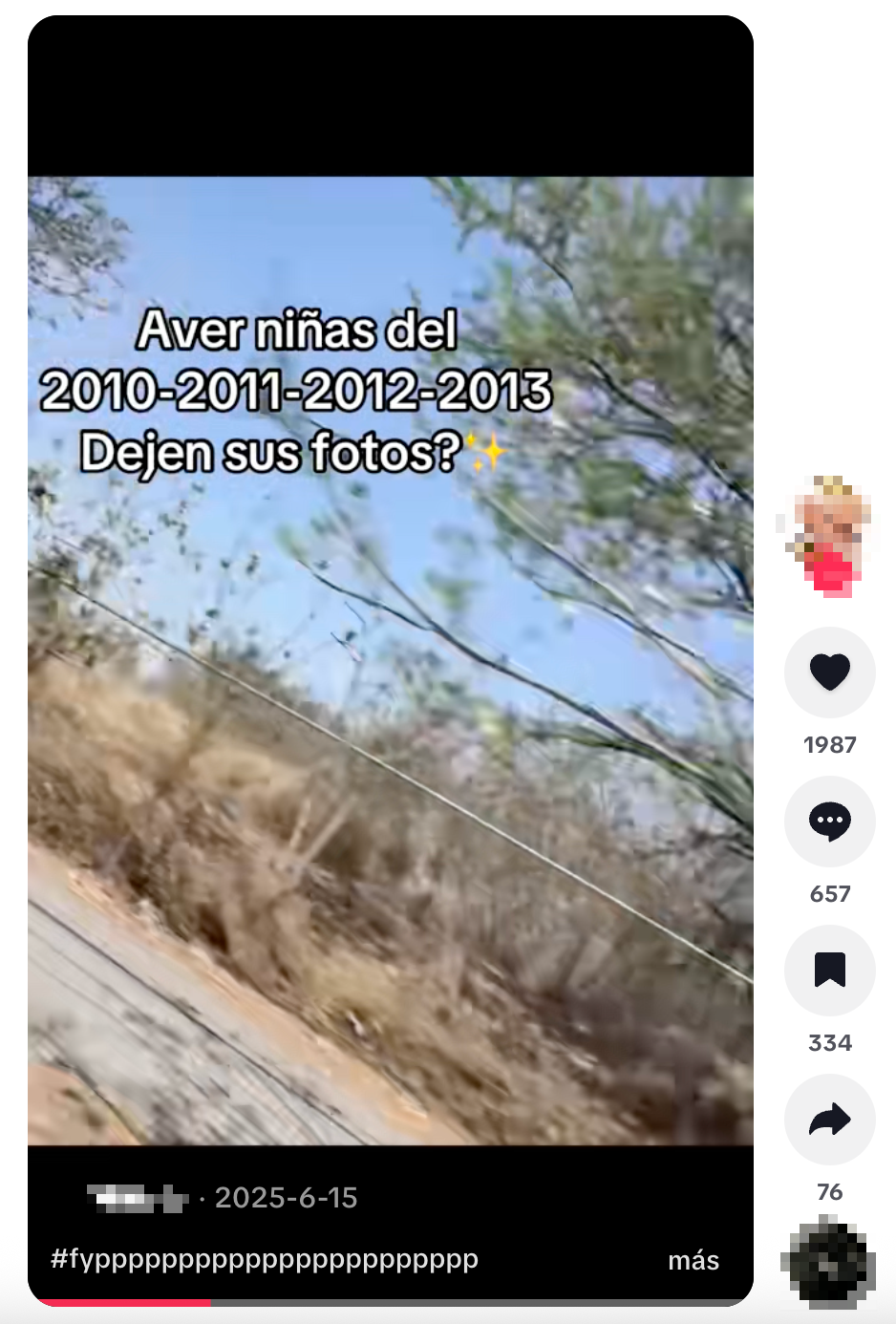

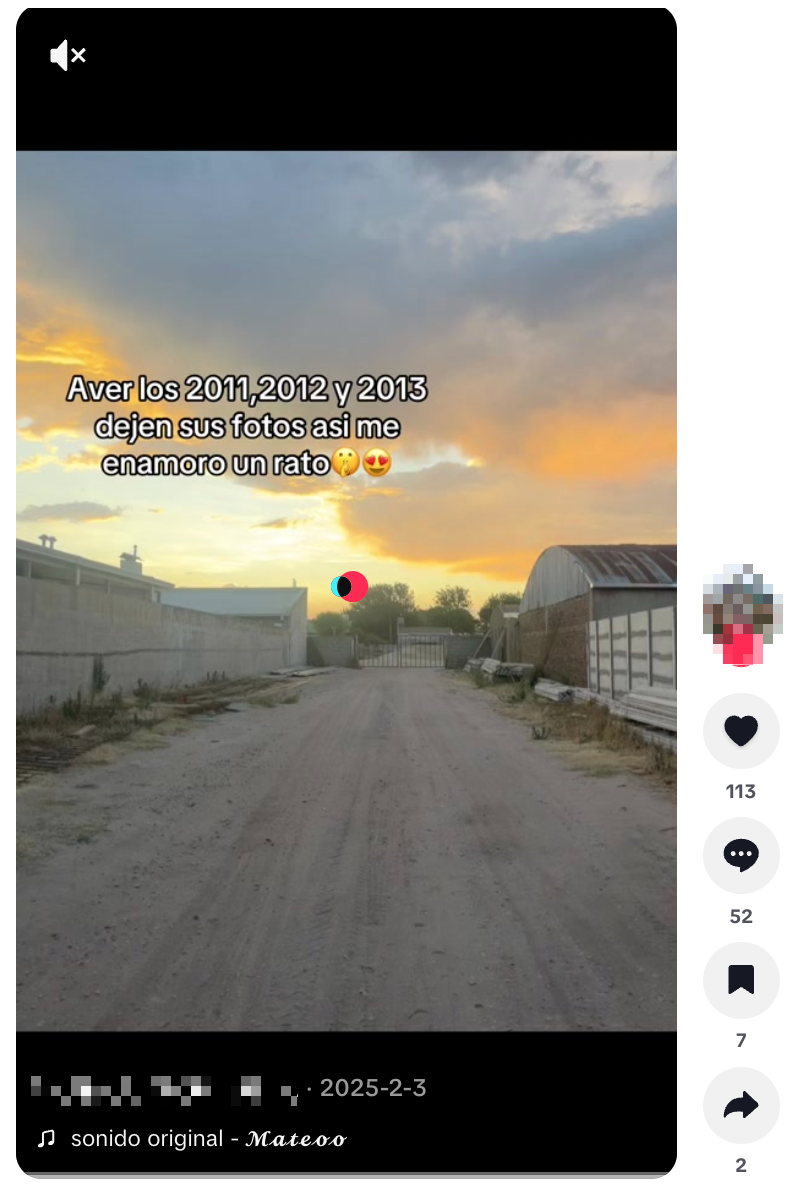
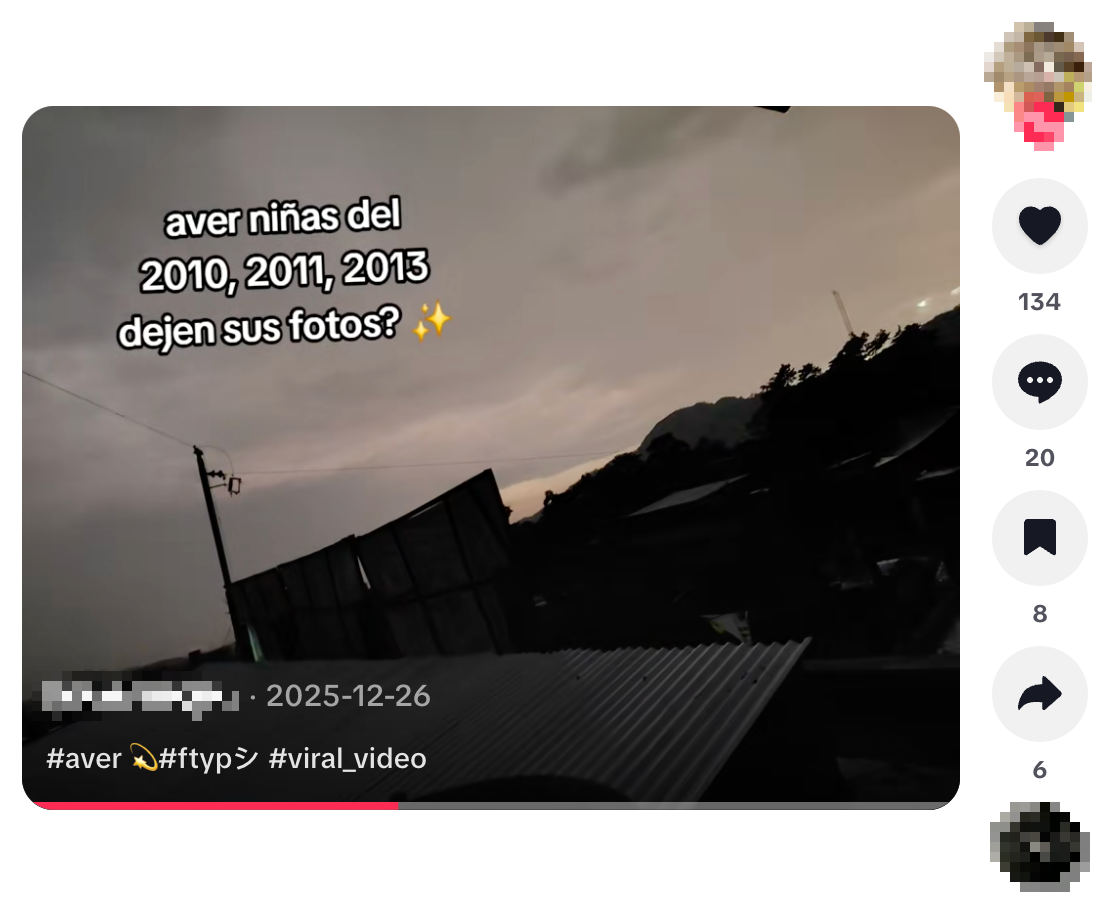
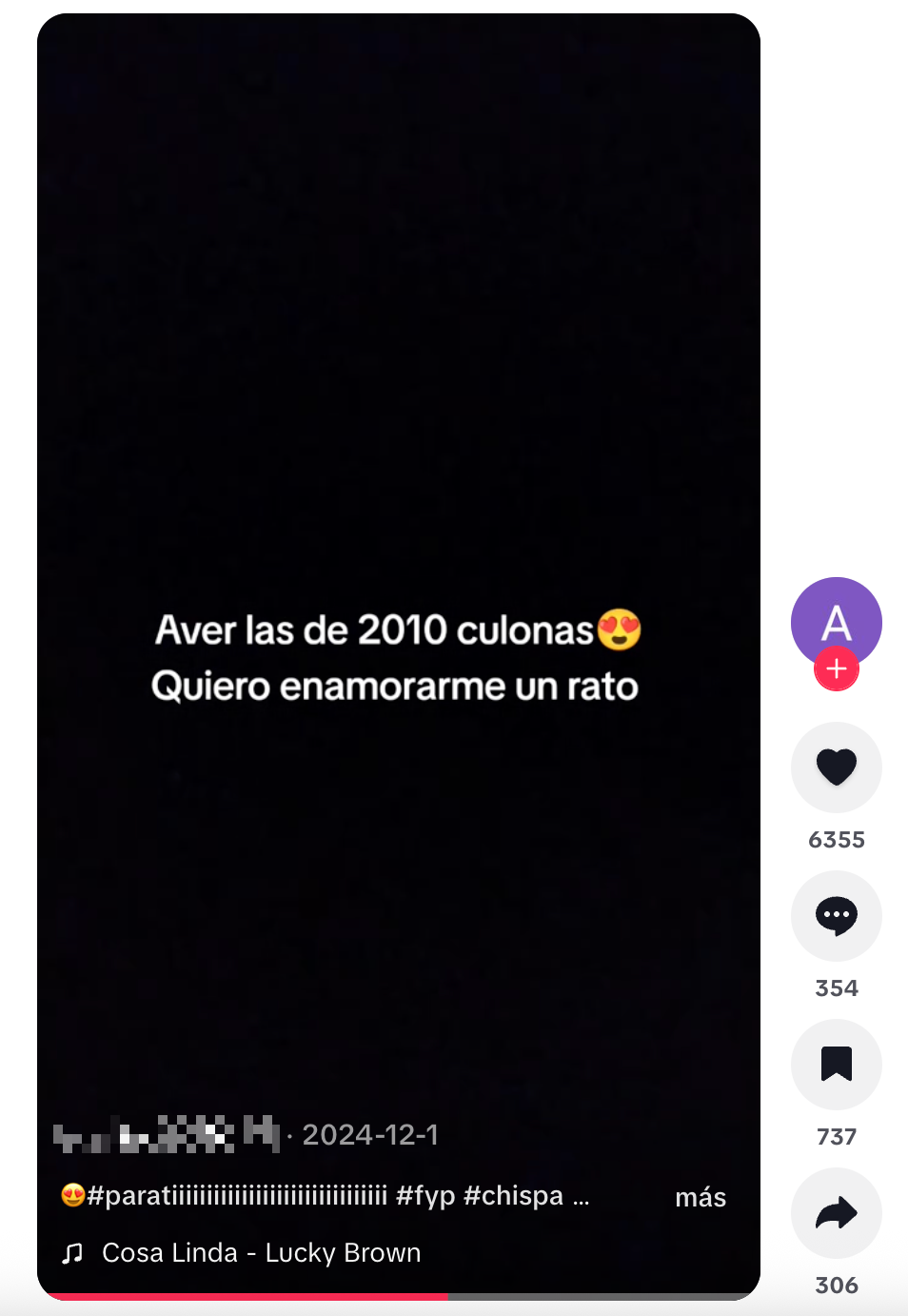
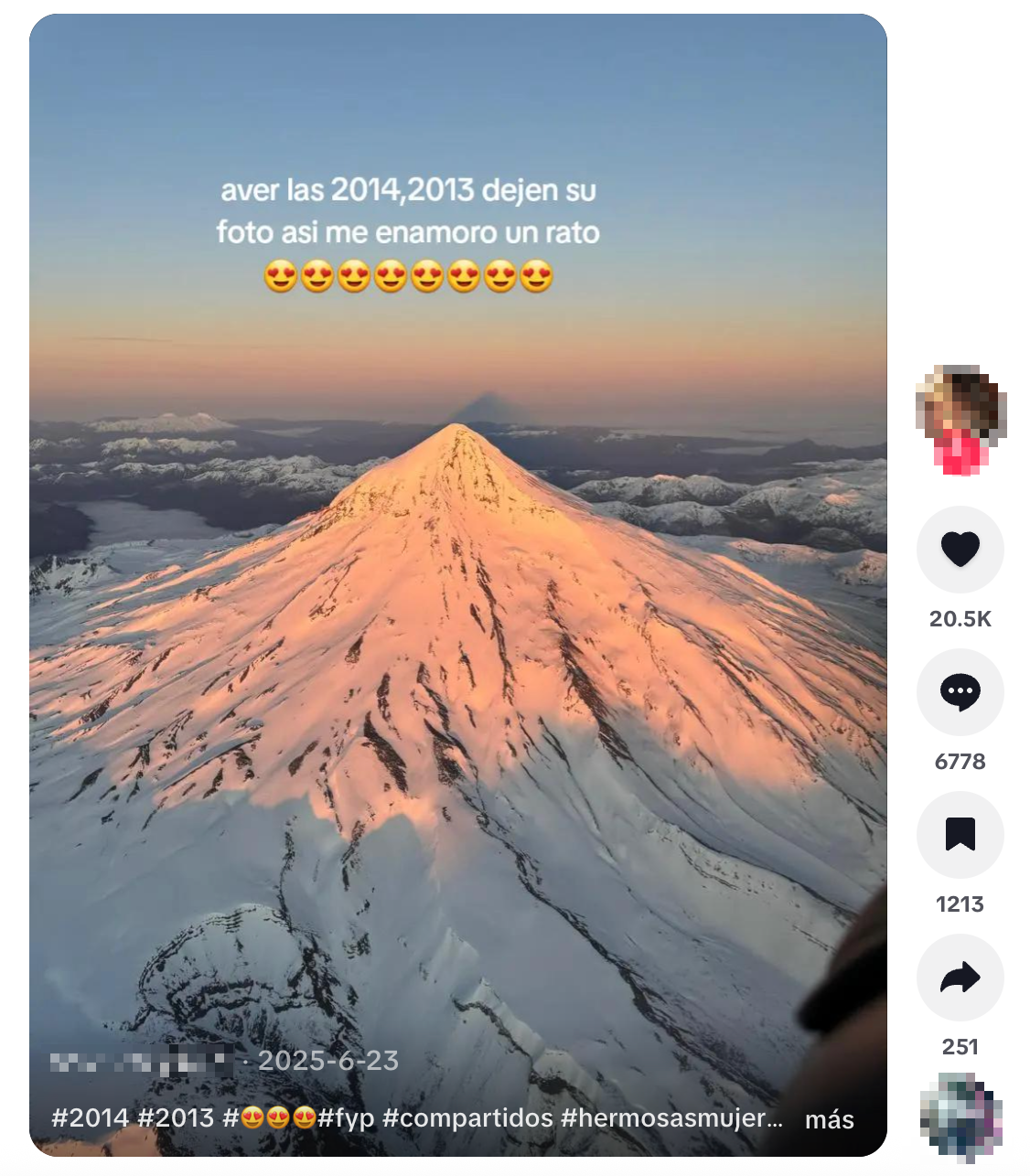
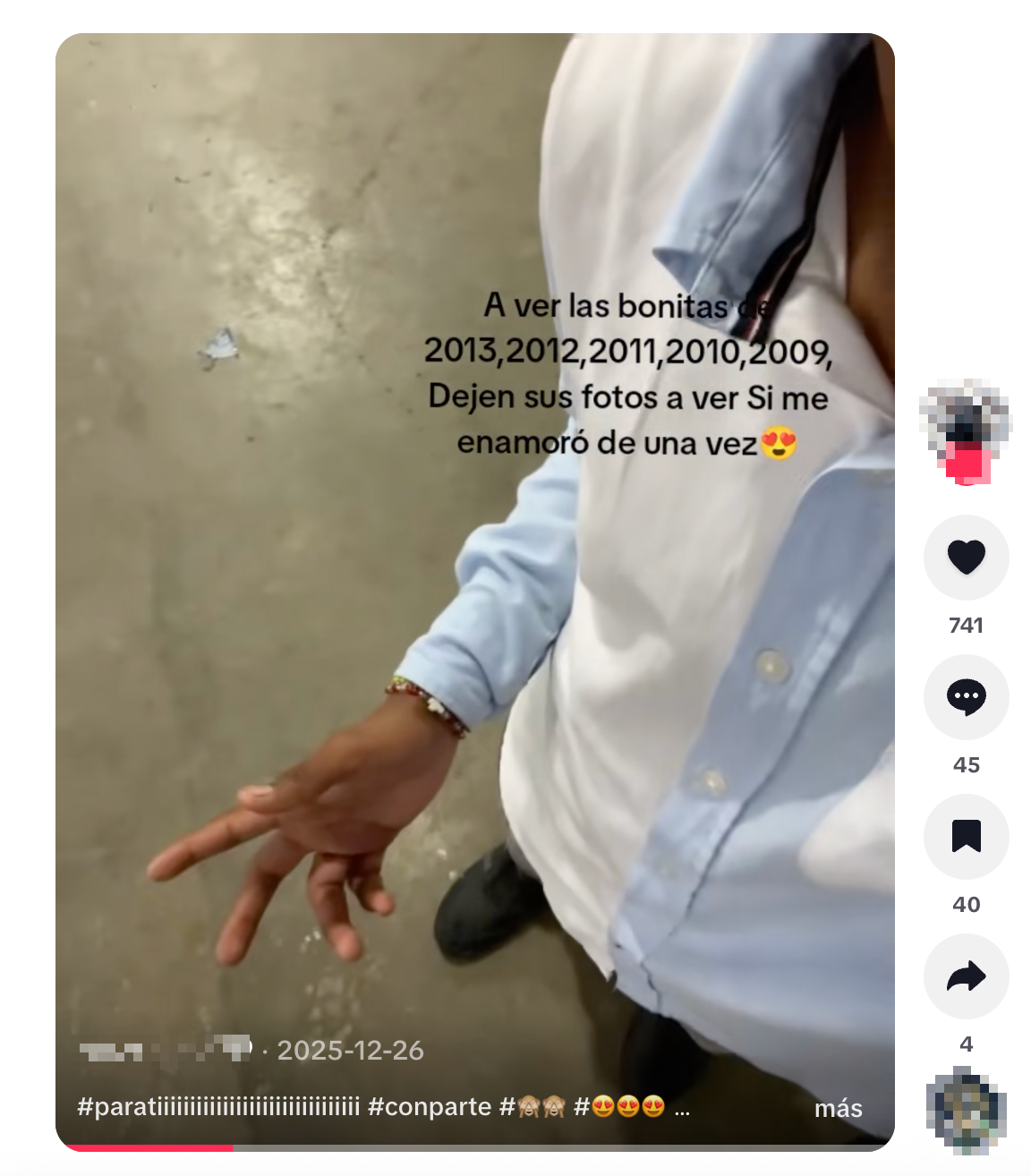
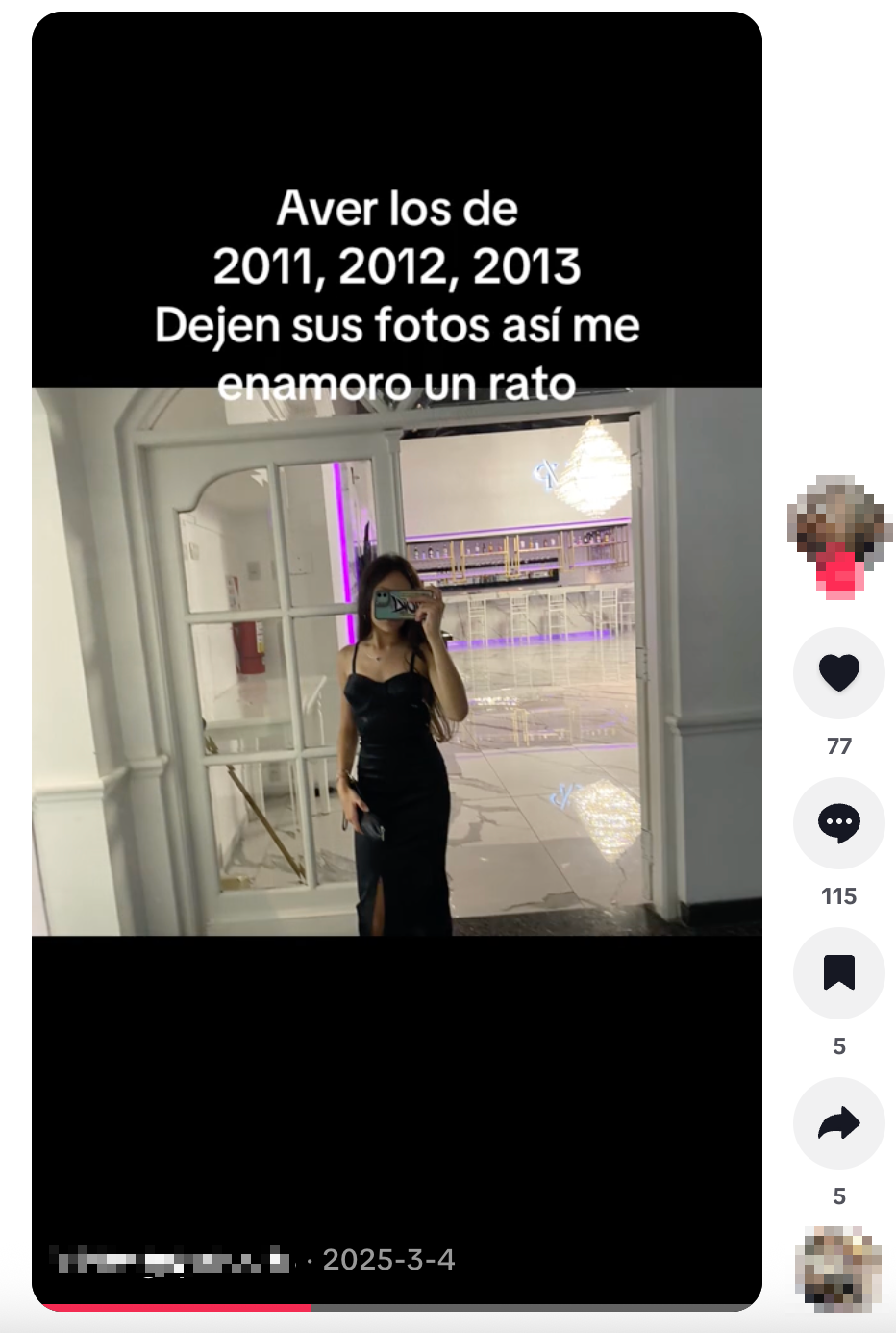
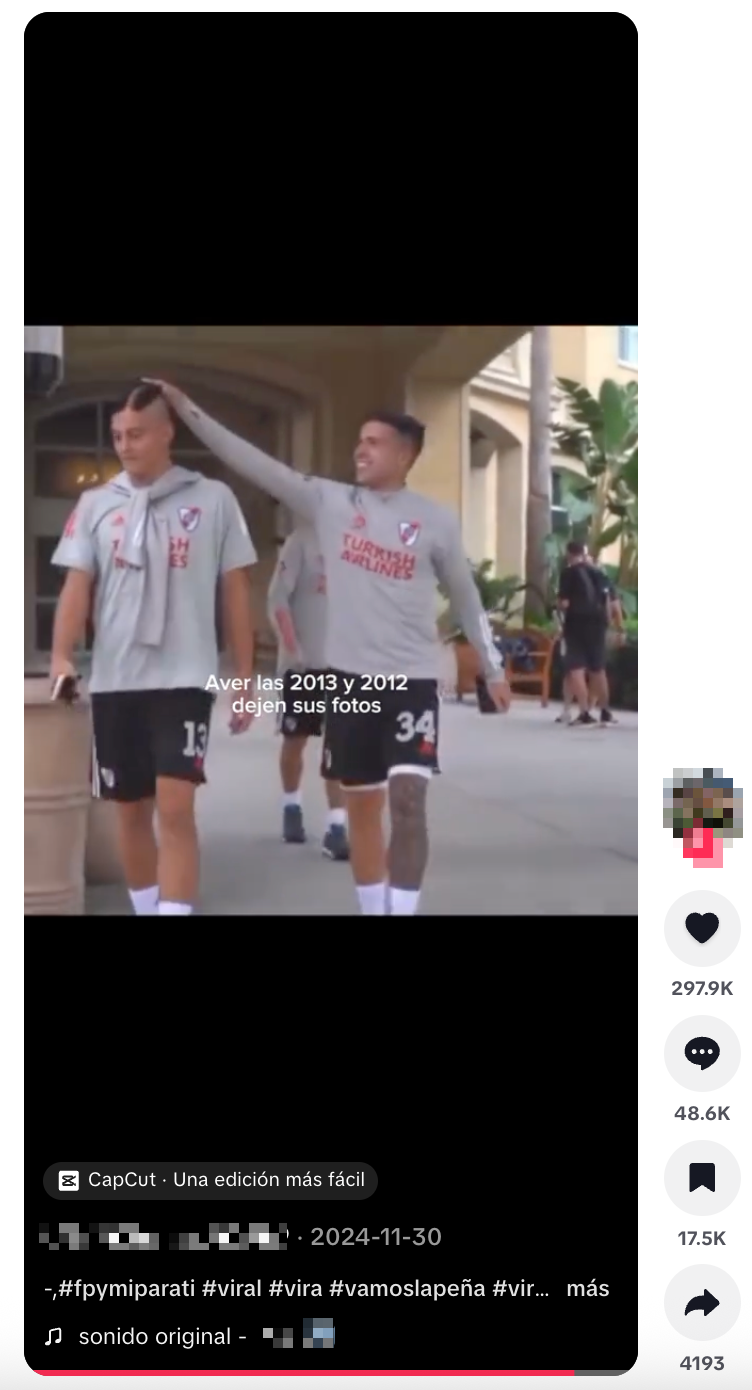
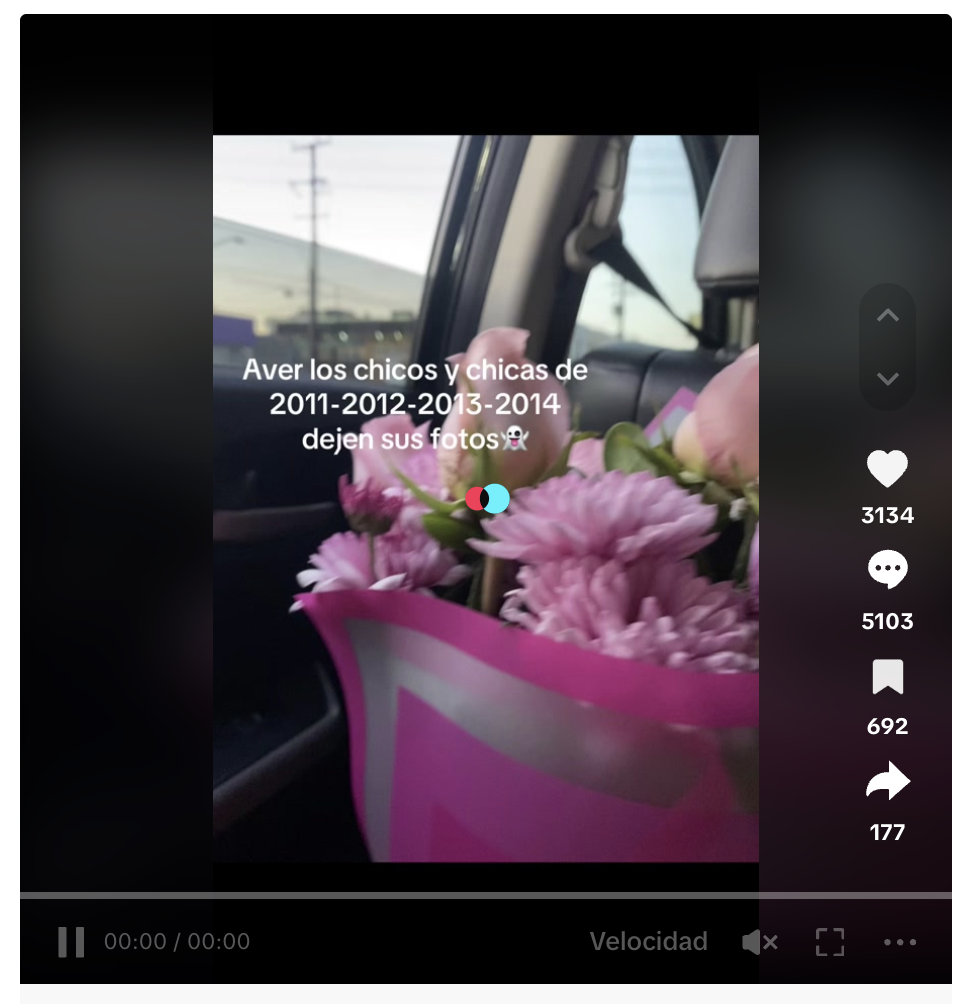
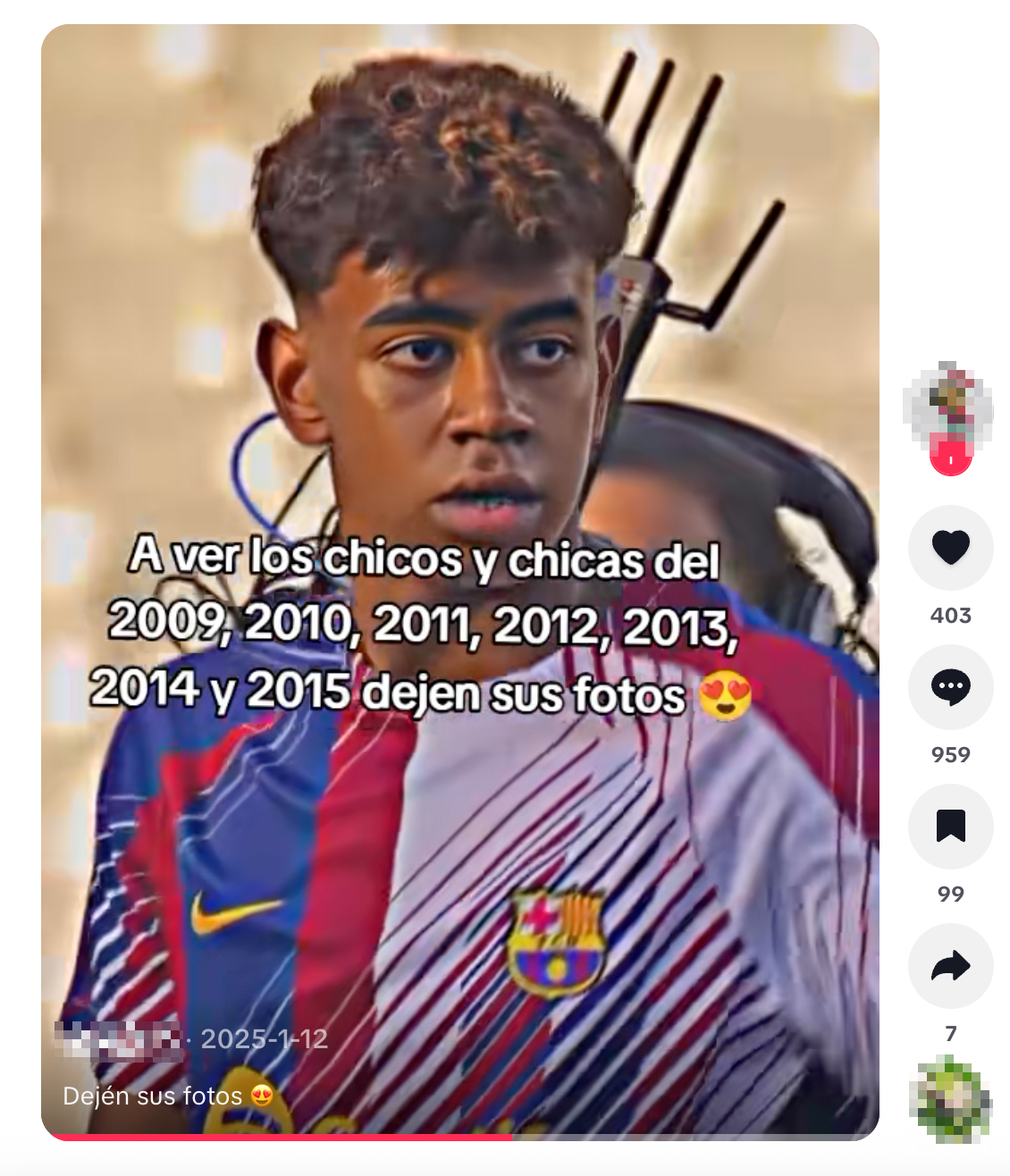
Among the comments of just 15 of these posts, we found over 5,080 images of users claiming to be minors. While some are partially or completely covered, most show their faces in full. There are examples of them in bikinis or underwear. Some of these images have garnered dozens of replies and likes. Generally, the users interacting in the comment threads for these images don't clarify their age: they could be adults hiding behind anonymous profiles.
Nerea Tollar, educational coordinator at E-tic (a program on digital education and well-being promoted by the Fundación Diario de Navarra in Spain), explains to Maldita.es that minors “may be motivated [to post images] by the possibility of receiving ‘likes,’ positive comments, or attention.” The expert also says that “social pressure or the imitation effect” plays a role: seeing other users participating, “they may perceive it as normal or even expected.” In addition, these posts are sometimes “designed in a manipulative way,” since they use “familiar language, challenges, implicit promises, or game dynamics that lower children’s guard and make the action seem harmless,” Tollar comments.
Most posts of this type are aimed solely at girls. This bias stems from several sociocultural reasons, explains the educational coordinator at E-tic. “Historically, women have been more exposed to pressure regarding physical appearance and aesthetic validation,” and this can make girls more vulnerable “to messages that encourage them to show off their image to gain validation,” the expert states. Furthermore, much of this content may have “inappropriate intentions,” and those who create it know that girls “are more frequently targeted by this type of behavior in digital environments,” Tollar explains.
Some users claiming to be minors use images taken from other platforms
Within these posts, it's common to see users claiming to be under 18, but instead of posting their own photo, they use images stolen from real minors. For example, a TikTok user claiming to be a minor posted an image taken from a video on a teenager's profile. Although the original video is no longer available on the profile of the impersonated teenager, we were able to identify her as she appears with her username on several Pinterest accounts.
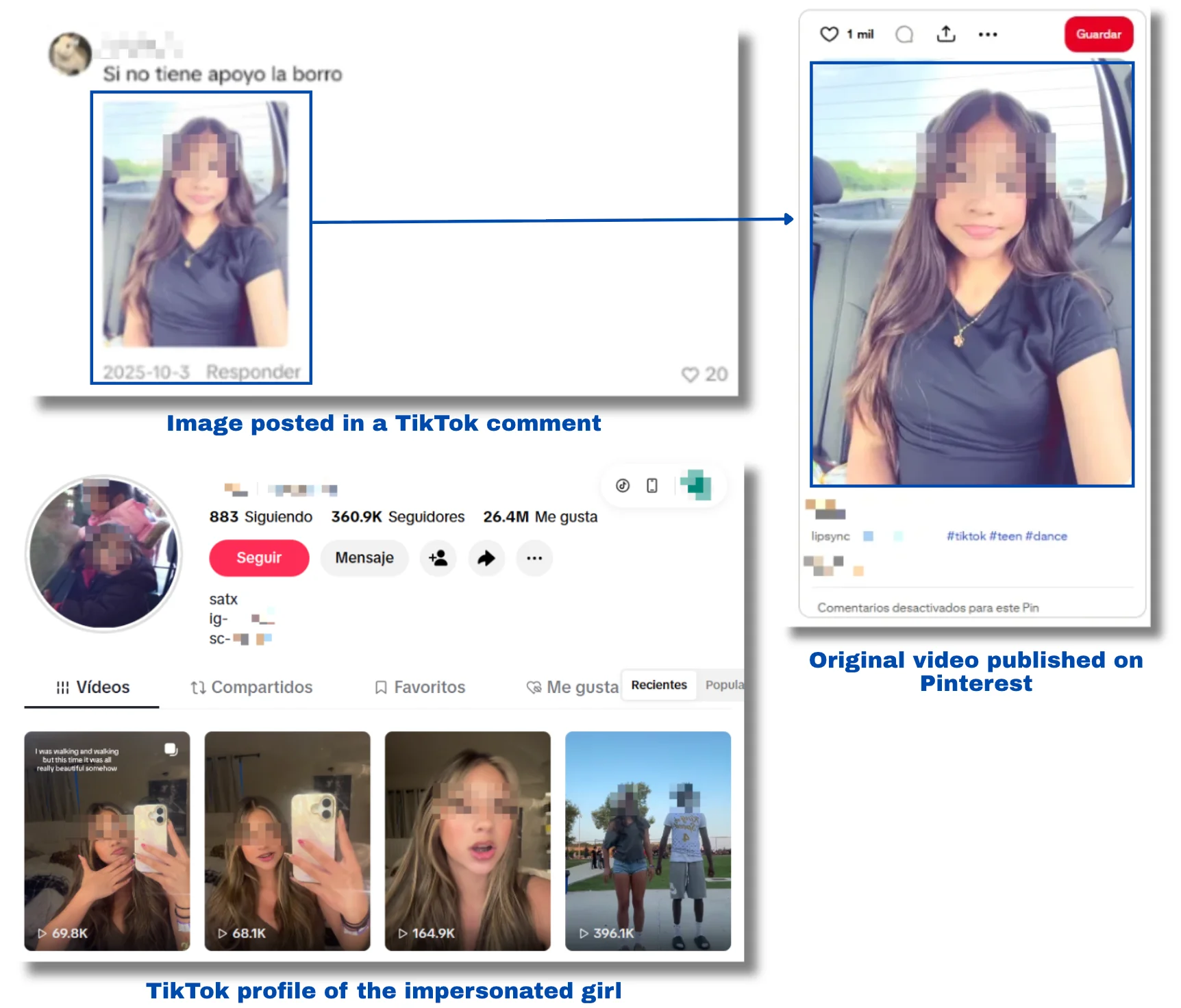
This is suspicious behavior that can raise red flags and lead us to believe that an adult might actually be managing the account. Maldita.es has detected this same modus operandi in other content on TikTok. One example is the trend of users under 13 posting their age (often alongside their photos) and asking viewers their own age; a trend being used by pedophiles to prey on minors. Luis Santos Diz, a criminal investigator and forensic analysis expert, explains that "it's a very common technique in grooming cases." "The adult creates a fake profile with photos of other minors (often taken from Pinterest or Instagram) so that the child thinks they are talking to someone their own age," the expert says.
When they manage to gain the child's trust, "they relax and are more likely to share personal photos, private information, or agree to move to WhatsApp or Telegram." Santos Diz explains that once the abuser has the child's trust, "they can ask for sexual content, blackmail them with what they've been sent, or even attempt a physical encounter." These profiles, he says, are also used "to attract other adults with a sexual interest in minors and lead them to group chats where illegal material is exchanged."
For Borja Adsuara, a lawyer specializing in Digital Law, Strategy, and Communication, this strategy of passing off someone else's content as your own (for example, by posting an image taken from another account or from Pinterest without mentioning its origin and making others believe it's your own) "is plagiarism"that could be "reported to TikTok's administrators." Maldita.es reported the example shown above to the platform, but it has not been removed.
Once posted, the user loses all control over the image, which could be reposted without their consent
Nerea Tollar explains that many minors still do not have “fully developed the ability to assess long-term risks,” so “they don’t consider the possible consequences of sharing their image in public spaces,” such as, for example, the comments on these types of videos posted on TikTok. Although it may seem like a harmless practice, it can pose risks for minors: any content posted online can easily escape the user’s control.
In Maldita.es’ previous investigation "Predators on TikTok: A Goldmine for Pedophiles," we showed how videos of real girls and teenagers were being reused on this platform for sexual purposes. According to Javier Sanz, criminologist specializing in cybercrime, this republished content is often edited by "adding a 'call to action' at the end (text that encourages the user to take a specific action, such as clicking on a link) or cutting the video at a specific point to suggest that a 'full video' exists that the perpetrator can provide." Even if the original content was harmless, the expert says, this practice results in "silent victimization" (because the affected minor is unaware of their situation) and "real harm through non-consensual sexualization," despite the fact that "there is no direct contact."
Any image or video posted online can end up in the wrong hands and be used for cyberbullying, identity theft, or grooming. Another increasingly common misuse is the creation of deepfakes and sexually manipulated images using generative artificial intelligence, where children's images are incorporated into pornographic photos or videos. "If the child's face is partially covered, the risk decreases, but it doesn't disappear," since with artificial intelligence, "very little is needed to reconstruct or reuse" the content, explains Ernest Abelló, a lawyer specializing in data protection. It's not just the child's face that's relevant, reminds Adrià Torres, a specialist in forensic psychology and criminology: "The environment surrounding the child in the image or video can also allow for their identification, either by acquaintances or by recognizable elements that allow them to be located."
What can be done if someone posts a picture of a minor without consent? If a picture of a child under 14 who is under our care is posted by an account, we can request its removal. To exercise the right to erasure, if the user refuses to delete the content, we can use the reporting mechanisms within the platform. If that also fails, it is possible to file a complaint with the National Data Protection Agency. However, the experts consulted agree that it is not always possible to completely erase all traces of the reported content. As Abelló explains, it is possible to delete the original content, request its removal from the platform, and exercise the right to be forgotten; but “if it has been downloaded or distributed, total control is practically impossible.”
If you are outside Spain and need help or wish to report child abuse, find your local helpline at Child Helpline International or INHOPE. To report online child sexual abuse material (CSAM) anonymously, you can contact the Internet Watch Foundation (IWF). In an immediate emergency, always contact your local emergency services first.
This article was written with the help of Javier Sanz Sierra, criminologist specializing in cybercrime, and Ernest Abelló, a lawyer specializing in data protection, both contributors of Maldita.es.
Thanks to your superpowers, knowledge, and experience, we can fight harder and better against lies. The Maldita.es community is essential to stopping misinformation. Help us in this battle: send us any hoaxes you come across to our WhatsApp service, lend us your superpowers, spread our debunkings, and become an Ambassador.
Methodology
For this article, Maldita.es compiled 23 pieces of content published on TikTok between November 30, 2024, and February 12, 2026, that encouraged minors to share images in the comments. These posts were selected randomly, based on recommendations from the online platform's algorithm to users over 18. They had a combined total of over 10.1 million views and more than 122,000 comments at the time of data collection (between March 3 and 5, 2026).
All available comments on 15 videos at the time of data collection were thoroughly reviewed. From these, 5,088 images shared by users claiming to be minors were extracted. Only photographs of people (whether fully or partially visible) were counted, excluding those with a clear intention to troll, such as those showing animals or celebrities, among others. All comments sharing images relevant to our research were counted, so there may be duplicate images in our sample (this occurs if the same user posts more than one comment with the same image or if other profiles share stolen images).
If you have any questions, you can contact us at [email protected]